Kibale National Park Animals | Uganda Chimpanzee Trekking
Kibale National Park Animals: Kibale National Park is a home to a vast concentration of primates in the entire East Africa and marks up 13 remarkable primate species. It is also a paradise of birders with notable species of birds. Some of the remarkable primates, including L’Hoests and red colobus monkeys, flourish within the park.
To this species add on elusive forest elephants, which move seasonally through the forest and it’s the reason why Kibale National Park is a superb safari destination. However, Kibale can be easily accessible with good internal road conditions and many of the facilities are community-based, hence providing the local population with the necessary revenue to ensure enough protection in the area.
The park harbors over 70 mammal species, which can be encountered in Kibale forest and particularly it is rich in primates, with over 13 primate species recorded in total of any Ugandan national park. The nine diurnal primates are found at Kibale Forest, such as the Vervet, Red-tailed, Grey-checked mangabey, blue monkeys, L’Hoest, Red colobus, Olive baboons, Black and white colobus, Blue monkey and chimpanzees.
Among the forests to encounter these primates, Kibale Forest National Park holds the biggest number of red colobus monkeys, although small numbers still survive in Semliki National Park. The fact is that Kibale Forest National Park holds the final rank of over 1,500 chimpanzees of the total of 5,000 individuals found in Uganda.
Location: Kibale National Park lies in the western region in the districts of Kabarole and Kamwenge, estimated to be 320 kilometers by road, thus taking 5 to 6 hours’ drive. To access it, you will have to first go through Kabarole District via the beautiful town of Fort Portal, the only nearest large city to the national park.
Size: The park covers an area of about 795 square kilometers, which extends southwards from Fort Portal to form a contiguous block with the Queen Elizabeth National Park, a home to rare tree-climbing lions and the second largest national park in Uganda.
Accessibility
Kibale National Park can be easily accessed either by road or by car.
From Kampala to Fort Portal can take about 5 hours; you can wish to travel with public means or a private car or a safari wheel drive vehicle. By public transport you can choose to travel by bus and the bus companies that operate the route to Fort Portal include Link, Kalita and PostBus. We advise you to check for the travel times since they are public means that vary based on the number of people traveling on a particular day. Another option to use, you can use the route to Kibale Forest, although not often used, which runs north from Mbarara via Ibanda and Kamwenge.

What to do on visit to Kibale National Park
Park’s highlight activity is the chimpanzee tracking trek, which has attracted a number of foreigners worldwide to come see these unique species, with whom we are closely related, sharing 98% DNA with humans.
You can’t go for tracking without holding a permit, which can be booked in advance, most especially if you’re to do it in peak seasons because the demand can be very high, or even choose to do it in low seasons when the park’s accommodation facilities are at a low rate and the park is out of crowds.
How to book your permit is to get in touch with the UWA (Uganda Wildlife Authority) offices or contact your local Uganda tour agents for advice on Kibale National Park animals.
Chimpanzee tracking starts early in the morning after breakfast in the park. Go for a 30-minute briefing at the Kanyanchu visitor’s center. Then head out to the forest, led by a park ranger in a group of six people in search of chimpanzees, where you will have a wonderful chance of spotting bird species, green vegetation, among others .
Tracking might take 3 to 5 hours depending on the chimpanzee movements. Once they are seen, one hour is allowed to spend with chimps, learning from them. Enjoy your future photography among others.
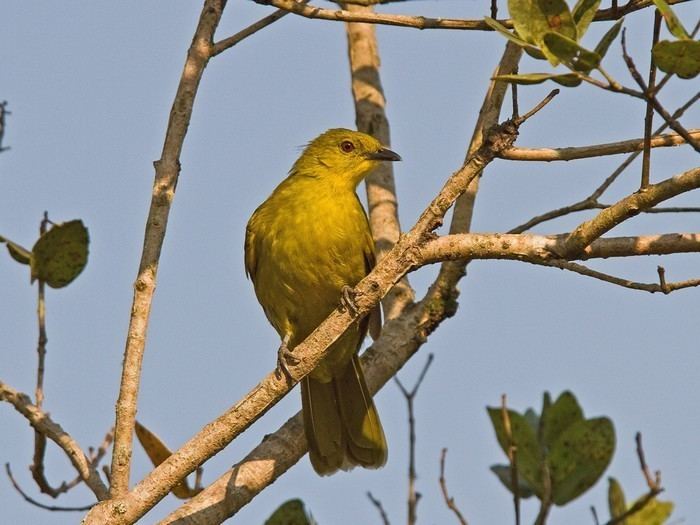
Kibale is a birding hoven with over 375 species of birds, including
Yellow-ramped tinkerbird
Grey-winged Robin
Blue-shouldered Robin Chat
Yellow-spotted Barbet
Black-billed Turaco
White-napped pigeon
Green-breasted Pitta
Purple-breasted sunbirds
White-bellied Crested Flycatcher
Tiny Sunbird
White-collared Olive back
Cabanas Greenbul
Gray-throated tit-flycatcher
Scarlet-tufted
Purple-Breasted sunbird
Little Greenbul
Superb sunbird
Yellow-spotted Nicator
Joyful Greenbul
Tiny Sunbird
White-collared Olive back
Black bee eater
Masked apalis, among others.
Other activities to do on a visit to the park include birding, forest walk and game viewing over an expanse overlooking crater lakes lying between Fort Portal and Kibale Forest.
Best time to visit Kibale National Park Activities
Since Kibale is located in Uganda, and Uganda has a suitable climate to travel any time of the year, it is not advisable during rainy seasons. Most of the year, Uganda is sunny with temperatures that are rarely rising above 29 degrees. The average annual temperature is about 26 degrees Celsius.
Dry seasons start from December to February and June to August. And low season occurs from March till May and October till November. Then the light rain season falls in November and December.
The best wildlife viewing/primates are from December to late February and from June to September but rain seems to be possible due to unpredictable seasonal changes.
For more details, Uganda has a number of tour operators and agents available to guide you through. If you don’t hesitate, you can choose from our directory.